


JAL vs. ANA Business Class 2026: Is “The Suite” Better Than “The Room”?
Explore the 2026 comparison of Japan Airline business class and ANA business class as comfort meets space in two world class cabins. Discover how service, design, and value shape the premium journey with insights curated by FlightsLux.
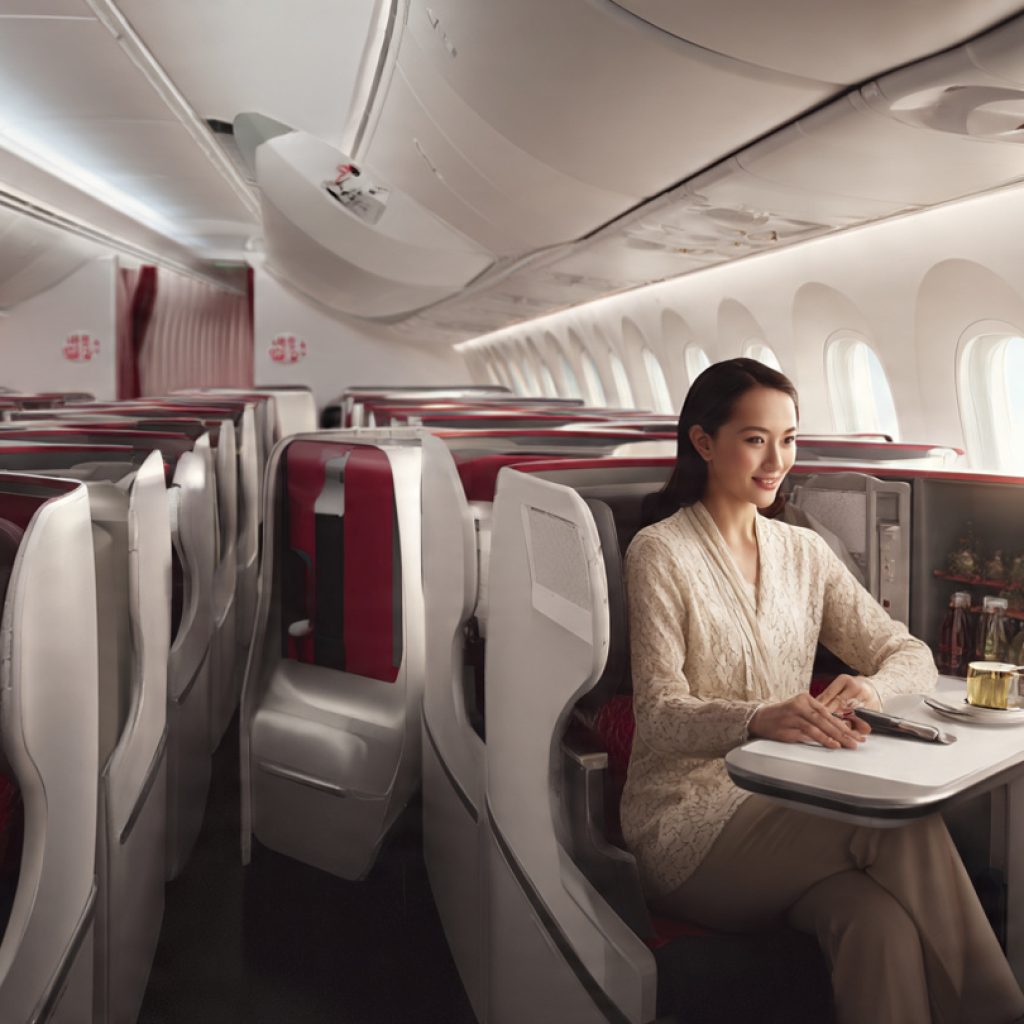
Travelers planning premium journeys to and from Japan often find themselves comparing two exceptional products from the country’s flagship carriers. In 2026, the rivalry between Japan Airlines continues to define expectations for comfort, privacy, and service in long haul premium cabins. This internal overview explores how each airline positions its latest business class offerings, what has changed for 2026, and which experience may better suit different travel styles within the broader landscape of international business class travel.
Japan Airline Business Class Experience in 2026
Japan Airlines has long focused on understated luxury, and its current generation of business class reflects that philosophy with quiet confidence. The cabin design prioritizes personal space and intuitive comfort rather than visual excess. Soft lighting, neutral tones, and carefully chosen materials create a calming environment that appeals to travelers who value rest and focus on long flights.
The Japan Airline business class product is built around a high level of privacy. Seats are arranged to minimize visual intrusion, with generous partitions and a sense of enclosure that makes the cabin feel almost residential. The sleeping surface remains one of the most praised aspects, offering consistent support and enough width to turn comfortably during rest. Storage solutions are thoughtfully integrated, allowing easy access to essentials without clutter.
Culinary service continues to be a defining strength. Menus are curated with seasonal Japanese influences alongside Western options, giving passengers flexibility while maintaining cultural authenticity. Presentation, timing, and attentiveness reflect a service culture that values precision and calm professionalism. For travelers who appreciate predictability and refinement, this approach remains a strong draw.
Entertainment and connectivity have also evolved. Updated screens with improved resolution, responsive controls, and a broader content library align the experience with modern expectations. While not flashy, these upgrades ensure the overall journey feels current and reliable.
ANA Business Class and The Room Concept
All Nippon Airways has taken a more dramatic approach to redefining premium travel. Its business class concept focuses on scale, with seats designed to feel more like private compartments than traditional airline seating. The emphasis is on personal territory, appealing to travelers who want a clear boundary between themselves and the rest of the cabin.
The Room style layout delivers an almost first class like sensation, with large sliding doors and expansive seat surfaces. This design allows passengers to work, dine, and sleep without feeling constrained. For 2026, subtle refinements have improved ergonomics and storage placement, making the space feel more intuitive during long flights.
Service onboard mirrors ANA’s reputation for warmth and attentiveness. Crew interactions are friendly yet respectful, creating a balance between hospitality and privacy. Meal service focuses on choice and customization, with flexible pacing that adapts well to different sleep schedules. For travelers who enjoy a sense of control over their environment, this product feels particularly empowering.
The visual impact of the cabin should not be underestimated. Darker tones, clean lines, and architectural elements give the space a modern, almost lounge like atmosphere. This aesthetic resonates with travelers who see premium cabins as part of the overall travel experience rather than simply a means to rest.
Comfort Versus Space in Real World Travel
When comparing these two offerings, comfort and space emerge as the key differentiators. Japan Airlines emphasizes consistent comfort through thoughtful design and service flow. Everything feels measured, from seat mechanics to cabin lighting. This makes the experience predictable in the best sense, especially for frequent travelers who value routine.
ANA, by contrast, prioritizes the perception of space. The generous dimensions of its seating create a strong first impression and continue to influence the journey throughout the flight. This can be particularly appealing on ultra long routes where the psychological benefit of extra room becomes as important as physical comfort.
Both approaches succeed, but they cater to slightly different mindsets. One focuses on refinement and balance, the other on scale and individuality. Neither feels outdated in 2026, which speaks to the careful evolution of each product.
Value and Availability in a Competitive Market
From a planning perspective, travelers often weigh these experiences against availability and pricing. Premium cabins fluctuate in cost, and securing attractive business class airfare deals can influence the final decision as much as seat design. Seasonal demand, route selection, and booking windows all play a role in shaping value.
This is where strategic planning becomes essential. Working with experienced partners such as FlightsLux allows travelers to navigate availability across both carriers while aligning preferences with timing and budget. FlightsLux often highlights comparative advantages between routes, helping travelers understand when one product may offer better value than the other.
For corporate travelers, consistency and network coverage may tip the scales. Leisure travelers, on the other hand, might prioritize novelty or space, especially when celebrating a special journey. In both cases, understanding how each airline positions its premium cabin helps set realistic expectations.
Service Philosophy and Cultural Nuance
Beyond hardware, service philosophy defines much of the onboard experience. Japan Airlines delivers a sense of quiet assurance, with crew anticipating needs without drawing attention. This understated approach aligns with passengers who prefer minimal interruption and seamless execution.
ANA’s service feels more expressive while remaining polished. There is a greater emphasis on interaction and personalization, which some travelers find engaging. Neither approach is objectively superior; rather, they reflect different interpretations of Japanese hospitality adapted for a global audience.
These nuances become particularly important on overnight flights, where service pacing can influence rest quality. Both airlines have refined their routines for 2026, offering flexible dining and reduced cabin disturbance during sleep periods.
Choosing the Right Experience for 2026
So which is better in 2026. The answer depends on what a traveler values most. If the priority is refined comfort, reliable sleep, and a serene environment, the Japan Airline business class offering remains deeply compelling. If expansive personal space, visual impact, and a sense of exclusivity are more appealing, ANA’s approach stands out.
From a broader perspective, both airlines continue to set benchmarks within international business class travel. Their competition drives innovation, ultimately benefiting travelers who expect more from premium cabins than ever before. Accessing the right option at the right time is often the final piece of the puzzle.
With expert guidance from FlightsLux, travelers can align personal preferences with optimal routing and timing. FlightsLux provides insights that go beyond surface comparisons, helping match individual travel goals with the most suitable premium experience.
In the end, the choice between these two products is less about superiority and more about alignment. Both represent the highest standards of Japanese aviation, and in 2026, either option delivers a journey that feels considered, comfortable, and distinctly premium.
✍️ Author Box
Written by FlightsLux Editorial Team
The FlightsLux Editorial Team consists of travel strategists and airfare specialists committed to helping travelers unlock premium experiences at affordable rates. With expertise in consolidator fares, first-class perks, and booking insights, the team provides reliable advice to elevate every journey.
⚠️ Disclaimer
This content is for informational purposes only and does not constitute professional travel or financial advice. FlightsLux is an independent travel service provider and is not affiliated with any airline or consolidator. Prices, availability, and services are subject to change. Please consult directly with an authorized travel agent or consolidator before making bookings.

Post Discussion